
Cultural Events That Bring People Together
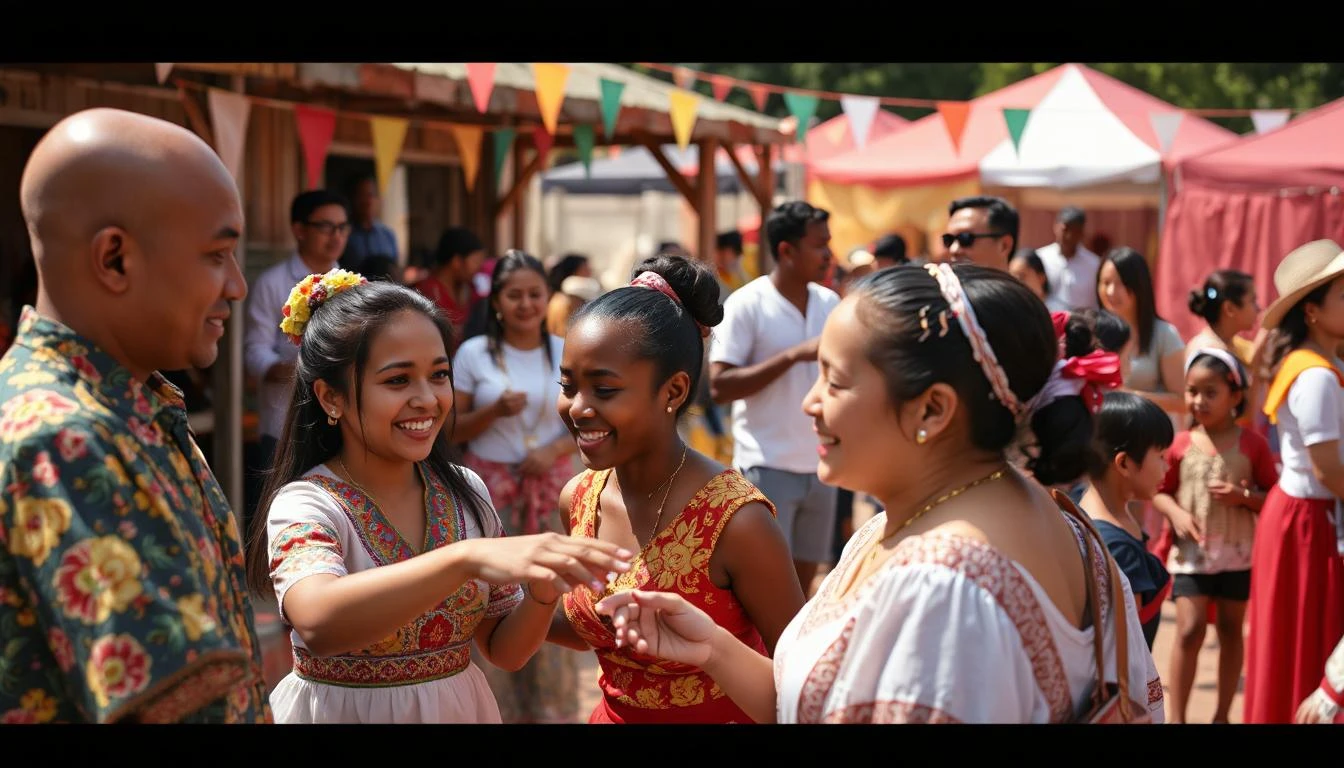
Cultural experiences have always been more than entertainment; they are living expressions of identity, memory, and shared emotion. When people step into a festival ground, a parade street, or a traditional ceremony, they are not just observers, they become part of a collective rhythm that transcends language and geography.
In today’s interconnected world, cultural events bring people closer by bridging differences and creating meaningful human encounters. These events shape how communities express themselves while also influencing how global audiences understand cultural diversity in a rapidly evolving marketplace.
Exploring The Importance Of Cultural Events
Cultural gatherings remain one of the strongest social connectors in human society. They create spaces where identity is not only expressed but also celebrated collectively, allowing people to feel part of something larger than themselves.
cultural festivals local traditions community often play a central role in shaping emotional and cultural bonds that extend beyond geographic boundaries.
Why cultural gatherings remain meaningful today
Even in a digital-first era, people still crave real, shared experiences. Cultural events fulfill this need by offering sensory engagement, sound, movement, taste, and storytelling, that cannot be replicated online. As sociologist Clifford Geertz once stated, “Culture is the web of meaning in which humanity is suspended,” highlighting how deeply these gatherings influence perception and belonging.
The connection between events and community identity
Communities express their identity through rituals and celebrations that reinforce shared values. When cultural events bring people together, they strengthen trust and collective pride, making identity a lived experience rather than an abstract concept.
Discovering traditions through public celebrations
Public cultural celebrations serve as open doors to heritage. Visitors witness traditions firsthand, transforming passive observation into active cultural understanding that deepens appreciation across generations.
Understanding Different Types Of Cultural Events
Cultural events come in many forms, each reflecting unique histories, values, and creative expressions that evolve over time while staying rooted in tradition.
How festivals preserve cultural heritage
Festivals act as cultural archives, preserving oral traditions, rituals, and artistic practices. They ensure that heritage remains alive, not as static memory but as a dynamic, evolving expression.
The role of arts and performances in celebrations
Music, dance, and theatre transform cultural narratives into emotional experiences. These performances also connect with the modern creative economy, allowing traditions to reach global audiences through digital platforms and international collaborations.
Exploring events that showcase local traditions
From rural harvest festivals to urban cultural parades, cultural festivals local traditions community interactions highlight how deeply rooted practices continue to shape modern identities in both local and global contexts.
Experiencing Culture Through Community Participation
Active participation transforms cultural events into meaningful personal experiences. Instead of being passive observers, individuals become contributors to a shared cultural narrative.
Connecting with people through shared celebrations
When people participate in celebrations together, barriers dissolve naturally. Conversations begin, laughter spreads, and strangers become temporary communities bound by shared experience.
Learning about history through cultural activities
Cultural participation is a form of experiential learning. Instead of reading history, people live it through rituals, reenactments, and storytelling that make heritage more tangible and memorable.
Supporting the preservation of cultural traditions
Every participation supports cultural continuity. Whether attending a festival or supporting artisans, individuals help sustain traditions that might otherwise fade in a rapidly globalizing world.
Celebrate Culture Through Meaningful Events
Cultural celebrations remind us that identity is not fixed but continuously shaped through interaction and participation. When cultural events bring people together, they create emotional bridges that foster empathy, understanding, and unity across diverse societies.
Anthropologist Edward T. Hall once said, “Culture is communication,” emphasizing how every celebration becomes a dialogue between generations, histories, and communities. Similarly, cultural historian Amartya Sen noted, “Our shared humanity is enriched by cultural diversity,” reinforcing the importance of preserving and engaging with global traditions.
These reflections highlight how cultural experiences are not just social gatherings but essential parts of human connection in a globalized era.